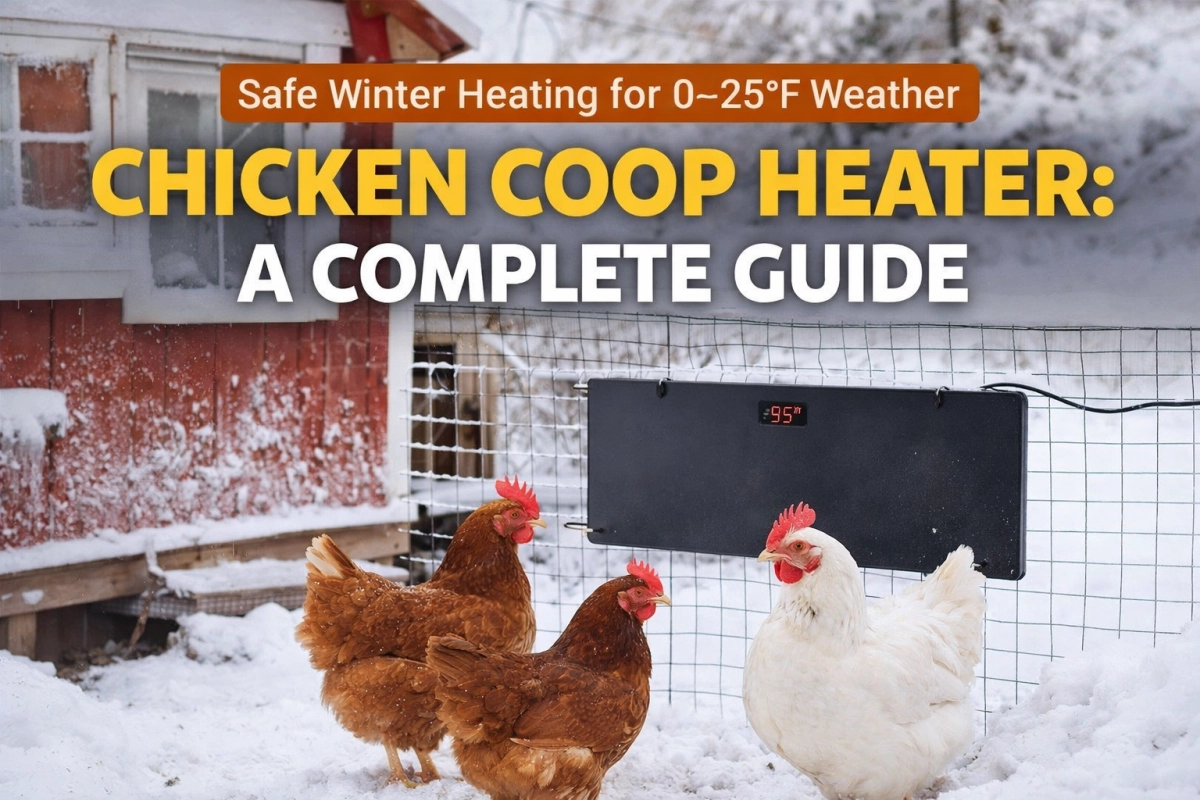
When winter settles in and nights start living in that 0–25°F range, I tell folks the same thing I’ve said for decades: don’t panic, and don’t try to turn your chicken coop into a living room. Chickens don’t need tropical heat. What they need is a dry place, steady fresh air, and—only if conditions truly call for it—a small, controlled warm spot they can use or ignore. This guide walks you through when heat actually helps, what kind of heater makes sense, and how to set it up without creating new problems.
Do chickens need a heater at 0–25°F?
Most healthy, fully feathered adult chickens handle cold just fine if the coop is dry, draft-free at roost height, and ventilated up high. I’ve overwintered plenty of flocks through long cold snaps without plugging in a single heater. The real trouble usually isn’t the temperature—it’s moisture. Damp air and condensation chill birds faster than cold, dry air ever will.
You might consider adding heat if you’re seeing things like:
-
Birds huddled tight all day, barely moving, even though bedding is dry
-
Frostbite starting to show up alongside wet walls or dripping ceilings
-
Older hens, birds in molt, or underweight chickens struggling to keep condition
-
Chicks or partially feathered juveniles (their needs are a different story)
If you do add heat, keep it modest and local. Think of it as a sunny patch in the yard, not a furnace for the whole building.
The safe heating philosophy for a chicken coop heater
Here’s the mindset I stick to: warm a spot, not the air. A good chicken coop heater creates a small radiant zone where birds can step in, warm up, and step back out. The rest of the coop stays cool, dry, and well ventilated—and that’s exactly what you want.
Heating the entire coop usually backfires. Higher wattage means more fire risk. Warmer air holds more moisture, which means more condensation unless you crank ventilation even higher. And birds that get used to constant heat lose their cold tolerance, which is the last thing you want during a power outage.
Chicken coop heater types explained
Over the years, I’ve seen just about every heating idea tried at least once. Some make sense. Some are asking for trouble. Here’s how the common options really stack up.
Radiant panels (preferred for adult birds)
Flat, wall-mounted radiant panels are my go-to choice for adult flocks when heat is truly needed. They run at low wattage—often around 150W—and give off gentle radiant warmth without blowing hot air around dust and bedding. Mounted solidly to the wall with proper clearances, they create a dependable warm zone birds can choose to use.
If you’re weighing different options, it helps to look at all the available chicken coop heaters side by side before settling on one approach.
Brooder plates (for chicks and juveniles)
For chicks, brooder plates beat heat lamps every time. They sip electricity, stay at safe surface temperatures, and let chicks self-regulate by moving closer or farther away—just like they would under a hen. These belong in brooders or protected juvenile setups, not as general adult coop heaters.
Heat lamps (generally discouraged)
I’ll be blunt here: heat lamps are responsible for more coop fires than anything else I’ve seen. They fall. They get knocked loose. Bedding piles up where it shouldn’t. If someone insists on using one, it must be caged, rigidly mounted with redundant chains, and kept far from anything flammable. Even then, it’s a risk I avoid when safer options exist.
Oil-filled radiators and space heaters (not recommended)
These heaters are built for clean, indoor spaces—not dusty coops full of feathers and bedding. They draw a lot of power, need wide clearances, and don’t play well with moisture. For backyard coops, they’re more problem than solution.
Waterer heaters (support tool, not space heat)
Keeping water from freezing is half the winter battle. Heated bases and de-icers don’t warm the coop, but they keep birds drinking, which helps them handle the cold. Use listed equipment, protect cords, and keep everything dry.
Winter ventilation and humidity control
If there’s one lesson winter teaches every chicken keeper sooner or later, it’s this: moisture is the enemy. Birds breathe out warm, damp air all night. Manure adds ammonia. When that moisture hits cold surfaces, it condenses—and suddenly your coop feels colder than the thermometer says.
The fix isn’t sealing the coop tighter. It’s steady ventilation above roost height, with no drafts blowing directly on the birds. Walk into the coop early in the morning. If you smell ammonia or see wet walls, you need more airflow and drier bedding.
Electrical and installation safety for any chicken coop heater
Electricity and coops can coexist, but only if you’re careful. Treat your coop like the damp, dusty outbuilding it is.
-
Use GFCI-protected outlets and weather-rated covers.
-
Protect cords in conduit and keep connections off the floor.
-
Mount heaters exactly as the manufacturer instructs—no shortcuts.
-
Add temperature control. A thermostat or controller that shuts heat off automatically is one of the best safety upgrades you can make.
This is where a thermostat-controlled chicken coop heater really earns its keep. It reduces fire risk, saves electricity, and keeps conditions steady without constant checking.
Sizing and energy cost basics
Don’t size for the whole coop. Size for a warm patch. A 150W radiant panel running part of the night costs far less than most folks expect, especially when a thermostat limits run time. If your coop is dry and ventilated, that heater should cycle on and off—not run nonstop.
Fail-safes and contingency planning
Good setups plan for what happens when something goes wrong.
-
Choose heaters with built-in over-temperature protection.
-
Use GFCI circuits and, if possible, independent high-limit shutoffs.
-
Have a plan for power outages, especially for vulnerable birds.
Step-by-step installation checklist
-
Seal drafts at roost height, then open ventilation above.
-
Mount a low-watt radiant heater on a solid wall with proper clearance.
-
Protect wiring and confirm GFCI protection.
-
Install temperature control and test cycling.
-
Observe birds on the first cold night and adjust as needed.
FAQs
Are heat lamps safe in a chicken coop?
In my experience, they’re best avoided. There are safer ways to provide warmth without hanging a hot bulb over bedding.
What humidity level should I aim for?
Forget chasing numbers. Aim for dry bedding, no condensation, and no ammonia smell. If those boxes are checked, you’re doing it right.
Do I need a thermostat for my chicken coop heater?
Yes. It’s one of the simplest ways to improve safety and cut unnecessary runtime.
Where can I learn more about heater safety?
If you want to dig deeper into safe use and common mistakes, this guide on how to safely use chicken coop heaters is a good next read.
Wrap-up
After a lot of winters and a lot of chickens, here’s my bottom line: dry air, good ventilation, and a small, controlled heat source—used only when needed—beat heavy heating every time. Watch your birds, trust what they’re telling you, and let smart controls do the work. That’s how you get through cold weather safely, year after year.
0 Comments