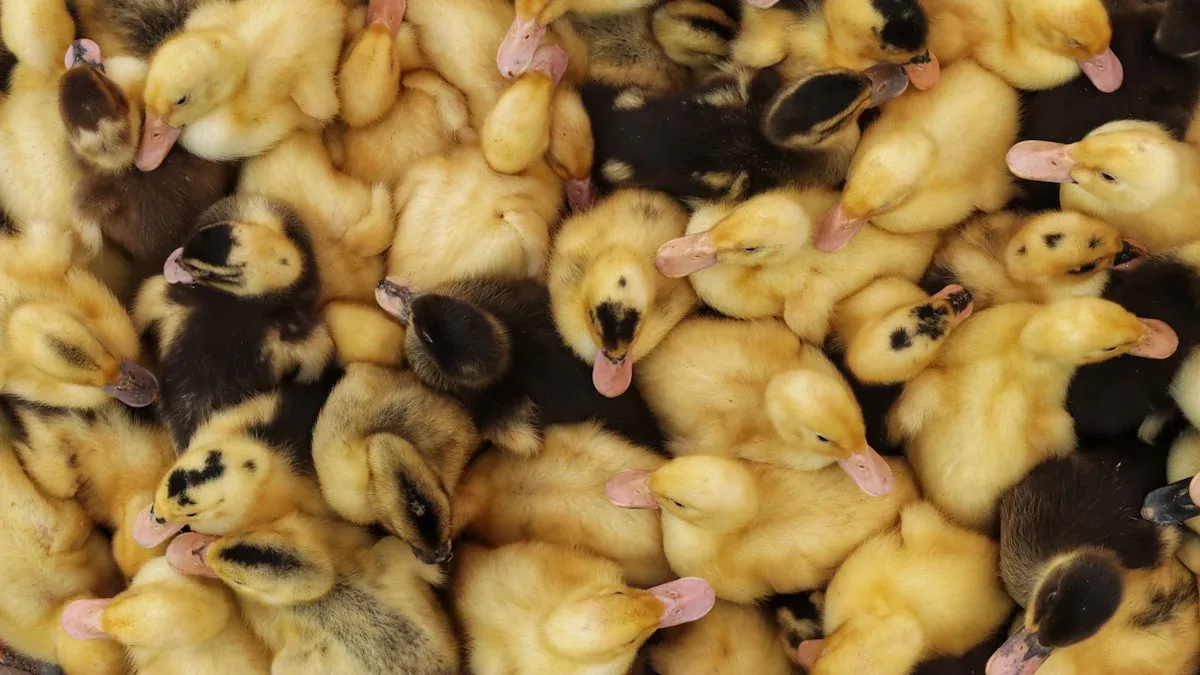
Most duck eggs hatch in about 28 days. Muscovy eggs often take closer to 35 days. With natural incubation, the biggest drivers of timing are breed, how consistently a broody duck sits, and weather swings. If you need steadier timing for home or classroom projects, a dedicated duck egg incubator can reduce day-to-day variation without constant babysitting.
Key Takeaways
-
Most duck eggs hatch around day 28. Muscovy often runs closer to day 35. Use breed to set your expected window.
-
Natural incubation works best when the nest stays calm, dry, and protected so the broody duck sits consistently.
-
If you switch to an incubator, start with a stable baseline at about 99.5°F / 37.5°C at egg height and follow a staged humidity plan.
-
Candle at key checkpoints, not constantly. Less handling keeps conditions stable and reduces late-hatch trouble.
-
Keep a simple log of dates, nest breaks, and what you see. Records turn one hatch into better results next time.
Duck Hatching Time by Breed
Mallard-Type Ducks: About 28 Days
Most mallard-type ducks hatch close to 28 days. Weather and nest disturbance can shift timing by a day or two. As incubation progresses, broody ducks often take fewer, shorter breaks, which keeps warmth more stable and supports more predictable hatching.
Conclusion: Use a breed window, then confirm progress by observation and a short candling plan.
- Typical window: many mallard-type breeds hatch near day 28, and some may drift slightly later.
- What shifts timing: cold snaps, repeated disturbance, and long daily nest breaks can slow development.
- What to record: note the set date and daily “off-nest time” so you can spot patterns early.
Tip: Track progress with air cell growth and what you see during quick candling checks. These signs help you spot healthy development without over-handling eggs.
Muscovy Ducks: About 35 Days
Muscovy incubation usually takes longer. Plan for a longer sit and avoid “panic changes” just because you passed day 28. If eggs are only slightly late and the broody duck is still committed, patience often beats intervention.
Mixed and Bantam Breeds
Mixed clutches often follow the mother’s incubation rhythm. Smaller bantam ducks can hatch earlier, while larger eggs may run longer. Use a window instead of one exact day, then rely on your checks and notes to decide what is normal for your flock.
Conclusion: Your “expected day” should be a range, then you confirm with checkpoints.
- Smaller breeds: some bantam ducks can finish earlier than the 28-day average.
- Most domestic breeds: many backyard ducks cluster around the 28–30 day range.
- Muscovy: often closer to 35 days, so shift every checkpoint later.
How Long Does It Take for Duck Eggs to Hatch?
If you ask, “how long do duck eggs take to hatch,” the simple answer is about 28 days for many ducks and closer to 35 days for Muscovy. Natural incubation can be very successful when the nest stays calm and the duck sits consistently. If you move eggs into an incubator, start with stable settings and reduce lid-opening so conditions do not swing.
Key Factors Affecting Hatch Time
Conclusion: Hatch timing shifts when stability breaks.
- Temperature stability: cold dips slow growth. repeated overheating can cause early hatch or losses.
- Moisture and airflow: moisture supports normal air cell growth and membranes. fresh air supports oxygen needs late in incubation.
- Handling frequency: frequent nest checks and long candling sessions disrupt warmth and humidity.
If you get eggs in the mail, let them rest upright for 24–48 hours before placing them under a broody duck. This helps the air cell settle. Check for cracks with a quick light test and avoid heavy handling early.
Late or Early Hatching
Some eggs hatch early or late. Large eggs, older eggs, long nest breaks, or cool weather can slow development. If your eggs pass the expected window, use a calm checklist instead of guessing. For a step-by-step decision guide when eggs run late, see Duck Egg Incubation Time.
Broody Duck Behavior & Nest Management
Signs of Broodiness
You can tell a duck is broody by watching her behavior. She sits for long periods, gathers eggs under her body, and may hiss or flatten herself when approached. Most broody ducks leave the nest briefly once or twice a day to eat, drink, and bathe.
Conclusion: A good broody duck looks “committed” and follows a consistent break pattern.
- Long sitting: she stays on the nest for most of the day and returns quickly after breaks.
- Protective behavior: she guards the nest and tucks eggs under her body.
- Predictable breaks: short daily breaks are normal. long, frequent absences raise risk.
Tip: Give your broody duck access to clean water for bathing. This supports hygiene and can help maintain natural moisture patterns during incubation.
Nest Setup Tips
Set up the nest in a quiet spot away from flock traffic. Use soft bedding and make sure the nest is both roomy and cozy. Keep food and water nearby, but not so close that spills soak the nest.
Conclusion: A calm, dry, protected nest improves sitting consistency and reduces losses.
- Location: quiet, private, and sheltered from drafts and predators.
- Bedding: soft, clean straw or shavings that stay dry and hold shape.
- Access: food and water close enough for short breaks, far enough to keep the nest dry.
Note: Wash hands before handling eggs. Keep handling gentle and brief so you do not chill eggs or stress the duck.
Egg Handling & Marking
Under a broody duck, the best “turning system” is usually the duck herself. Avoid frequent handling. If you need to track eggs, mark a small symbol with a pencil and keep your checks quick. Do not add new eggs after incubation begins because timing will spread out and weaken outcomes.
Conclusion: Handle less, track better.
- Mark simply: pencil marks help you count eggs and track basic changes.
- Candle at checkpoints: choose Day 7 and Day 14, then stop frequent checks as hatch approaches.
- Use the duck’s routine: candle when she is already off the nest to reduce disturbance.
Day-by-Day Guide to Hatching Duck Eggs
This timeline focuses on what you can realistically observe during natural incubation. It also works as a reference if you move eggs into an incubator later. For deeper visuals and what to expect at each checkpoint, use our duck egg candling stages guide.
Days 0–3: Early Development
Conclusion: Your job is stability and a calm nest.
- Set the baseline: record the “set date” and the expected hatch window for your breed.
- Keep disturbance low: avoid repeated nest checks and keep the area quiet.
- Watch the duck: note when she takes breaks and how quickly she returns.
Days 4–7: First Candling
Conclusion: A short candling check can confirm progress without over-handling.
- What to look for: a developing egg shows veins and a growing shadow.
- What to remove: clear eggs with no development can be removed to protect nest hygiene.
- How to do it: candle quickly when the duck is off the nest, then return eggs promptly.
Days 10–14: Growth & Second Candling
Conclusion: Confirm growth, then reduce handling as hatch day gets closer.
- What to look for: darker fill, stronger movement, and a clear air cell area.
- What to record: note air cell growth trend and any eggs that stopped developing.
- What to avoid: long candling sessions that chill eggs or stress the broody duck.
If you are incubating eggs instead of using a broody duck, this is also a good time to confirm that moisture loss is trending normally. Many home hatchers aim for gradual air cell growth and roughly 11–13% total weight loss before lockdown, then adjust humidity slowly.
Days 18–21: Air Cell Changes
Conclusion: Air cell growth is a practical progress marker late in incubation.
- What changes: the air cell expands as moisture leaves the egg.
- What to do: check briefly, record the trend, then leave the nest alone.
- Muscovy note: shift this checkpoint later because the full cycle is longer.
Note: If you are working with Muscovy eggs, add about seven days to each checkpoint. Plan your timeline around the longer incubation window.
Days 24–28: Pipping & Hatching
This is the final stage for many mallard-type ducks. The duckling first breaks into the air cell, then makes an external pip and gradually zips around the shell. The best support during natural incubation is low disturbance and a safe, calm nest.
Conclusion: Late hatch success comes from “hands-off” stability.
- Stop handling: do not candle repeatedly once pipping is near.
- Support the duck: keep food and water close so her breaks stay short.
- If using an incubator: stop turning around Day 25 and raise humidity into the 65–75% range for lockdown, then keep the lid closed.
Alert: Do not handle eggs during lockdown. Let the hatching process happen naturally whenever possible.
If you do move eggs into an incubator late, follow a simple lockdown routine and keep your actions fast and deliberate. Use our lockdown checklist to avoid humidity crashes from repeated lid openings.
Duck Egg Hatching Timeline Snapshot
Conclusion: You do not need constant checking. You need checkpoints and calm routines.
- Days 0–7: stabilize the nest and confirm development with a quick first candling.
- Days 10–14: confirm growth with a second candling, then reduce handling.
- Days 24+: prepare for lockdown by minimizing disturbance and protecting nest safety.
Red Flag Checklist
-
No veins or movement during checkpoint candling
-
Bad smell, leaking eggs, or visible contamination
-
Air cell trend not changing over time
-
No sign of internal pipping by the end of the expected window for your breed
-
Hatching delayed more than 48 hours past your expected window with no visible progress
If you see red flags, do not guess. Use a decision guide and confirm what is happening inside the egg. For late timing and “when to stop waiting,” use Duck Egg Incubation Time.
Duck Egg Hatching: Troubleshooting & Red Flags
Air Cell & Moisture Issues
Many late-hatch problems come from moisture trending too wet or too dry. Under a broody duck you cannot “set humidity,” so you focus on a dry nest, access to clean water for normal bathing, and low disturbance. In an incubator, you can confirm progress by air cell trend and occasional weighing.
Conclusion: Use trends, then adjust gently.
- Too wet: air cell grows slowly and hatch may run late. improve airflow and avoid over-wetting the environment.
- Too dry: air cell grows fast and membranes can dry late hatch. raise humidity gradually and stop opening the lid.
- What to record: candling notes, nest breaks, and any change you made so you can repeat what worked.
Common Causes of Failure
Conclusion: Most failures trace back to instability or hygiene breaks.
- Temperature swings: drafts, disturbance, or a weak broody routine can chill eggs.
- Moisture errors: too wet or too dry changes air cell growth and makes hatch harder.
- Contamination: dirty hands, wet bedding, and leaking eggs raise bacterial risk.
Tip: Remove eggs that leak, smell bad, or show obvious contamination to protect the rest of the clutch.
What to Do with Late or Abandoned Eggs
If the broody duck leaves the nest for a short daily break, that is normal. If she abandons the nest or stays away for a long time, check whether the eggs feel cool and whether the clutch is still viable. If needed, move eggs to a warmed incubator so you can stabilize conditions and continue monitoring.
Conclusion: Act only when you can name the problem.
- Confirm first: candle one egg to check for a viable embryo and normal air cell trend.
- Stabilize next: if you move eggs, warm the incubator first and avoid frequent lid openings.
- Use a checklist: follow a simple late-hatch decision guide instead of forcing a timeline.
You now have a practical day-by-day view for mallard-type and Muscovy duck hatching. Watch for healthy trends, reduce handling as hatch day approaches, and let a committed broody duck do most of the work.
Conclusion: Use a simple milestone plan instead of constant intervention.
- Pekin-type: many hatch near day 28. plan lockdown-style “no handling” near day 25.
- Muscovy: many hatch near day 35. shift “no handling” closer to day 32.
- All clutches: reduce disturbance near hatch and keep the nest protected and dry.
-
Mark eggs once so you can track the clutch without repeated handling.
-
Keep the nest calm and dry so the duck sits consistently.
-
As hatch approaches, treat the nest like lockdown and minimize checks.
FAQ
How can you tell if duck eggs are developing normally?
Candle at key checkpoints, often around Day 7 and Day 14 for many breeds. Look for veins early, then darker fill and movement later. Keep candling brief and do it when the broody duck is already off the nest.
What should you do if your broody duck leaves the nest?
Short daily breaks are normal. If she stays away for a long time or abandons the nest, check whether the eggs have cooled and candle one egg to confirm viability. If needed, move eggs to a warmed incubator and stabilize conditions before continuing.
Why do some duck eggs hatch late?
Late hatch timing often comes from cooler conditions, longer nest breaks, higher moisture trends, large eggs, or breed differences. Use a range instead of one exact day. If you pass your expected window, follow a decision guide and confirm progress before you intervene.
How often should you turn duck eggs during incubation?
Under a broody duck, she does the turning. In an incubator, many hatchers turn 3–5 times daily or use an auto-turn system. If missed turns are your biggest risk, an Automatic Egg Incubator can reduce handling and keep turning consistent.
Is it safe to help a duckling hatch?
Usually you should not help. Assisted hatching can cause bleeding, infection risk, or weak ducklings if done too early. If you believe a duckling is in danger, first stabilize conditions and reduce disturbance. If you are unsure, seek help from an experienced breeder or a poultry vet before attempting any intervention.
Data authenticity note: This guide reflects practical at-home natural incubation routines. Hatch timing varies with egg fertility, storage age, breed, broody duck consistency, weather swings, nest dryness, hygiene, and handling frequency. For better outcomes, change one variable at a time and keep a simple log of set date, daily nest breaks, candling checkpoints, and hatch milestones so you can repeat what worked in your setup.
0 Comments