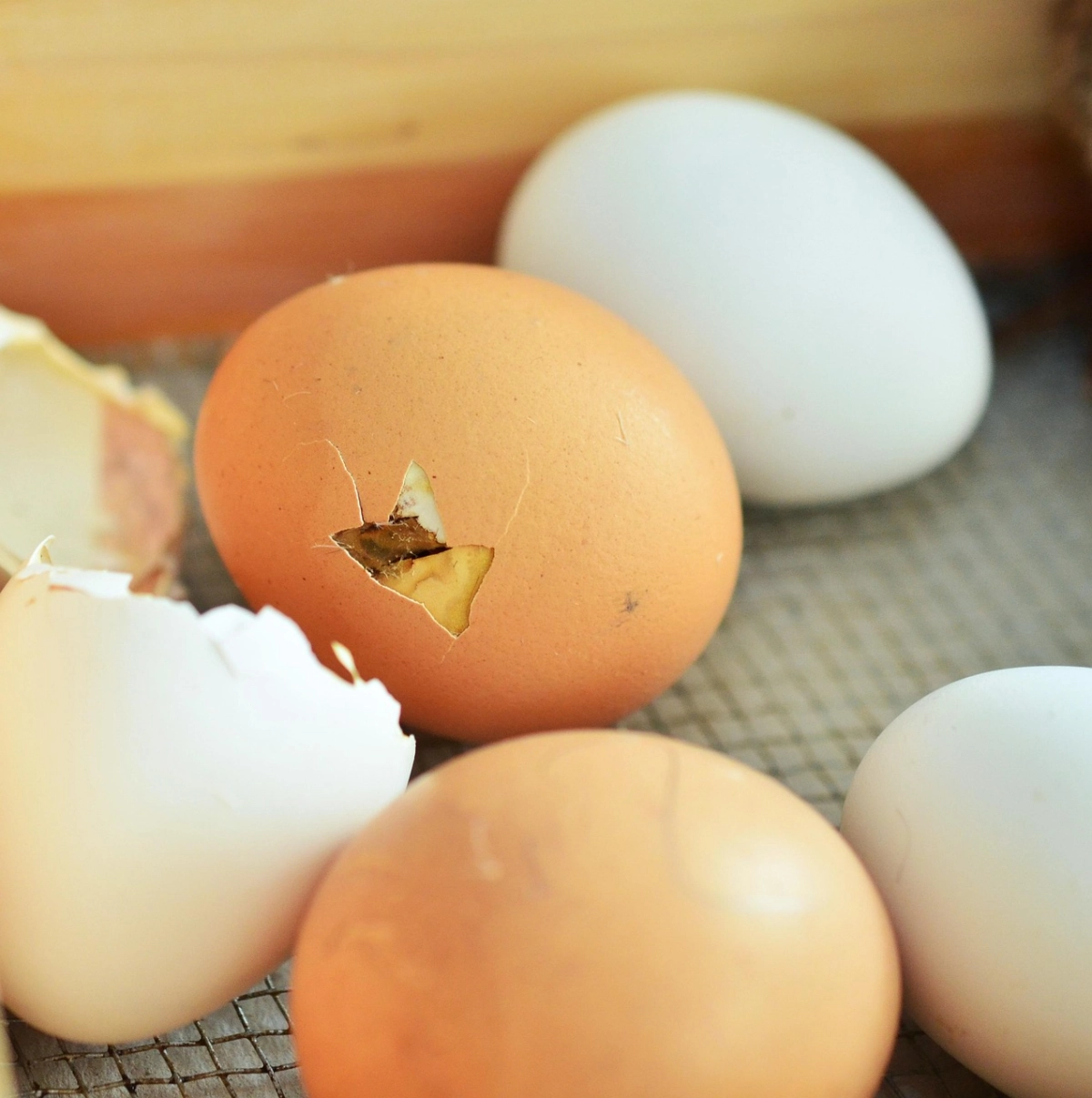
Egg Incubation Lockdown: Final 72 Hours Checklist for a Smooth Hatch
Lockdown is the final stage before hatch. Your goal is simple: stop turning on time, raise humidity to keep membranes soft, keep oxygen steady, and keep the lid closed so conditions do not swing.
Source and scope
This checklist reflects practical at-home incubation routines. Exact timing varies by species, egg size, room dryness, and incubator airflow. Use this as a stable baseline, then confirm your trend using your notes and what you see at hatch.
�� For the full workflow library, use Incubation Guides.
This page is a one-page lockdown checklist. If you want a day-by-day Day 18 to 21 routine, use Incubator Lockdown: Day 18–21 Guide.
What changes by species
Conclusion: Lockdown is still the last few days, but smaller eggs dry faster and waterfowl cycles run longer.
• Chicken type: lockdown is commonly the last 72 hours and often works well near 65% to 70% humidity.
• Quail type: smaller eggs can dry faster, so lid opening matters even more.
• Duck and goose type: longer incubation makes stability more important. If membranes look dry late hatch, raise humidity gradually and stop opening the lid.
The 10-minute lockdown setup
Conclusion: Do these steps once, then go hands-off.
• Stop turning: stop the turner and set eggs stable for hatch.
• Raise humidity: move toward 65% to 70% and keep it steady.
• Improve footing: add a non-slip hatch liner so chicks can stand and zip cleanly.
Humidity and airflow
Conclusion: Humidity keeps membranes soft, airflow keeps embryos oxygenated.
• Baseline target: many home hatches use 65% to 70% humidity during lockdown.
• Stability rule: steady conditions beat frequent tweaks. Adjust slowly and document changes.
• Airflow: keep ventilation consistent. Late embryos need more oxygen, so avoid blocking vents and avoid cold drafts.
Lid opening rules
Conclusion: Most late-hatch problems start with repeated lid openings.
• Watch, do not open: observe through the lid window whenever possible.
• Open only for a reason: move fully dry chicks only when crowding risks trampling.
• Use the 30-second rule: if you must open, do one fast action, close immediately, then wait.
Assisted hatching criteria
Conclusion: Assist only when you can name the problem and you can stop safely.
• Wait first: early help can cause bleeding and weak chicks. Give time before you touch the shell.
• Fix environment first: confirm humidity stability and stop frequent lid opening before you consider any help.
• Stop if you see blood: if you see blood or active vessels, stop immediately.
⚠️ If you are unsure, wait and monitor. For serious concerns, contact an experienced breeder or a poultry vet.
Post-hatch: when to move chicks
Conclusion: Move chicks only when they are fully dry and active.
• Drying window: many chicks dry inside the incubator for 6 to 12 hours after hatch.
• Move condition: chicks look fluffy, can stand, and walk steadily.
• Brooder ready first: preheat to 32 to 35°C and prepare clean water and dry footing before you open the incubator.
�� Brooder setup guide: Creating the Ideal Environment for Newly Hatched Chicks.
Simple hatch log
Conclusion: A one-line log turns one hatch into better results next hatch.
• Record timings: lockdown start, first peep, first pip, hatch start, hatch finish.
• Record stability: humidity trend and how many times you opened the lid.
• Record exceptions: any intervention and why you did it.
Product and next steps
If you want a consistent auto-turn routine earlier in incubation so lockdown starts cleaner, see our Automatic Egg Incubator.
�� Continue the series: Incubation Guide Part 6.
Data authenticity note: This checklist reflects practical at-home incubation routines. Results vary with egg fertility, storage age, incubator airflow design, sensor placement, room drafts, shell cleanliness, and how often the lid is opened. Change one variable at a time and keep a simple hatch log so you can repeat what worked.
0 Comments