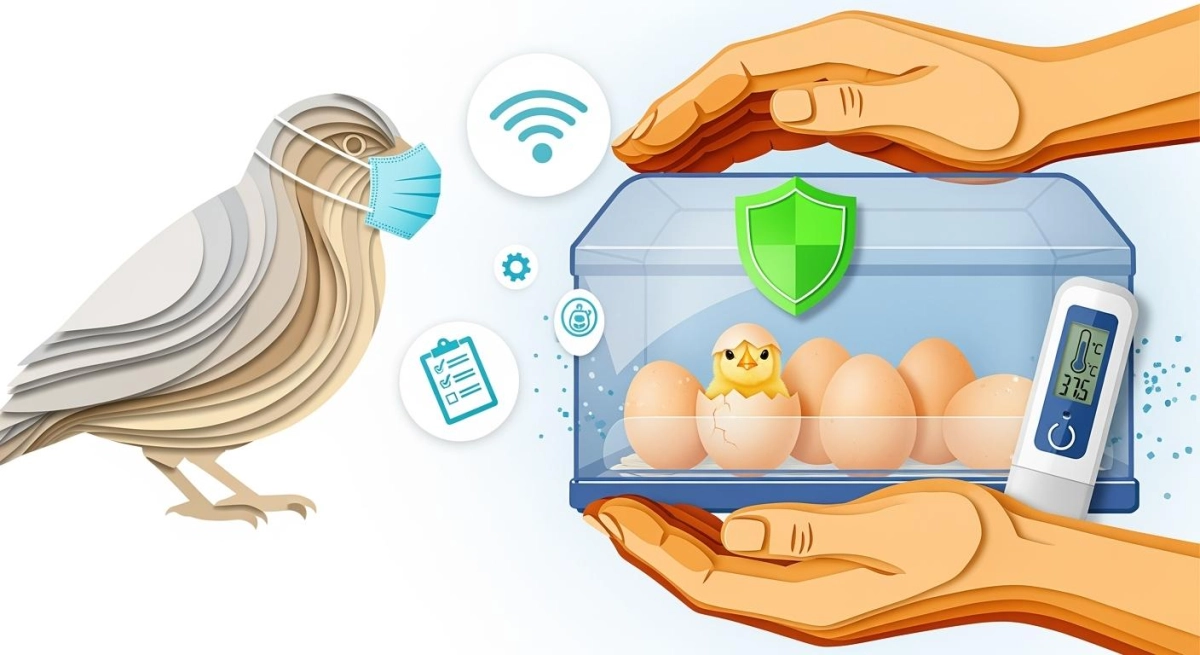
Yes, you can hatch eggs during avian flu season in 2026—but it’s smartest to treat biosecurity as part of your hatch plan. For most backyard flocks, the biggest risk is what gets tracked in on shoes, hands, cartons, and tools. This guide gives practical, beginner-friendly steps to reduce cross-contamination while you incubate and brood chicks.
Key Takeaways
-
Source hatching eggs carefully so you reduce avoidable disease risk.
-
Keep incubation and brooding as a “clean-zone” project with clean hands, clean tools, and fewer lid openings.
-
Use strong biosecurity at home: protect feed and water, control visitors, and separate outdoor gear from chick areas.
-
Clean and dry your incubator between hatches to lower contamination risk.
-
Have a plan if you see sick or dead birds: avoid contact and contact local officials or an avian veterinarian.
Avian influenza season and hatching eggs
Avian influenza season can feel scary—especially if you have kids, a classroom project, or a small backyard flock. The goal is not “perfect zero risk.” The goal is to cut the biggest, most common pathways where germs spread: wild birds, droppings, and contaminated hands or equipment.
Risk pathways for backyard poultry
Avian influenza season means highly pathogenic avian influenza (HPAI), such as H5N1, is being reported in wild birds or poultry in some areas. For backyard keepers, the highest risk is usually contact with wild birds and their droppings—directly or carried in on footwear, equipment, feed spills, or water sources. That’s why your coop routine and “clean zone” habits matter as much as incubator settings.
What this guide covers and limits
This article focuses on practical home steps: sourcing eggs, handling cartons, incubator placement, cleaning, and chick brooding hygiene. It does not replace guidance from your state agriculture department, local extension office, or an avian veterinarian—especially during active outbreaks or if you see sick birds.
Sourcing eggs safely for hatching
Where eggs come from matters. In avian flu season, the source of your hatching eggs can make a real difference in lowering risk. You want to choose eggs that come from a flock with good health practices and careful handling.
NPIP-participating sources and why they matter
NPIP (National Poultry Improvement Plan) participation can be a good sign that a seller follows structured flock health practices. It is not a guarantee of “no risk,” but it can help you choose more responsibly when disease pressure is higher.
Avoiding swaps and mixed-source eggs during outbreaks
Egg swaps and mixed-source cartons can raise risk because you don’t know the handling history. During active outbreaks, it’s safer to reduce the number of “unknowns.” If possible, choose eggs from one trusted source rather than combining eggs from multiple places.
Poultry biosecurity at home
Biosecurity is just a set of habits that reduce how germs move from place to place. In avian flu season, these habits help protect your flock and help keep your incubation and brooding setup cleaner.
Line of separation: keep wild birds and gear out
Create a simple “line of separation” between outdoor areas (coop, run, yard) and your clean indoor areas (incubator room, brooder). Shoes and tools that go outside should not be used around chicks or incubator parts.
Protect feed, water, and footwear
Wild birds are often drawn to feed and water. Store feed in sealed containers, clean up spills quickly, and keep waterers where wild birds can’t easily access them. Use dedicated coop footwear if possible, and keep it near the coop—not near your indoor chick area.
Visitor and equipment rules
Visitors who have other birds can unknowingly carry germs on shoes or clothing. During outbreaks, keep visits limited and avoid sharing equipment between households. If you must borrow or lend, clean and disinfect items fully before they move between flocks.
Egg handling and hygiene
Good handling protects both your hatch and your family. The goal is simple: keep eggs, cartons, and hands clean, and reduce chances that germs spread from outside areas to your incubator or brooder.
Clean hands, surfaces, and tools
Wash hands after handling eggs, cartons, or birds. Wipe down counters and tools used for egg handling. If kids are helping, supervise closely and make handwashing part of the routine right away.
What not to do with dirty eggs
Heavily soiled eggs raise contamination risk and often hatch poorly. For hatching, avoid eggs with stuck-on manure, yolk stains, or cracks. Do not wash or soak hatching eggs under running water, because it can push bacteria through the shell and damage the natural protective coating. Instead, start with clean eggs and keep your hands, cartons, and incubator surfaces clean.
| Recommendation |
Details |
|---|---|
| Store eggs properly |
Store hatching eggs in a clean carton in a cool, dry room (not the refrigerator). Set them as soon as you can so freshness stays high. |
| Avoid cracked or dirty eggs |
Do not set cracked eggs or heavily soiled eggs. If an egg is only lightly dirty, gently dry-brush it and keep it separate from cleaner eggs. |
| Clean hands and surfaces |
Wash hands and wipe down surfaces after handling eggs, cartons, and any coop gear. Kids should be supervised and reminded to wash hands right away. |
For hatching, focus on clean handling instead of aggressive washing. A gentle dry brush for small smudges is usually safer than rinsing or soaking.
Checklist for handling dirty eggs:
-
Do this:
Skip heavily soiled eggs for incubation and choose the cleanest eggs you have.Why it helps:
Cleaner eggs reduce contamination risk and help you start the hatch with fewer problems.If you can’t do this, do this instead:
If an egg is cracked, leaking, or heavily soiled, do not incubate it—discard it safely and wash your hands. -
Do this:
If an egg has a small dry spot, gently dry-brush it. Avoid rubbing wet manure into the shell.Why it helps:
This helps protect the shell coating and keeps bacteria from spreading around your incubator.If you can’t do this, do this instead:
If an egg is wet, sticky, or smells off, do not incubate it. It’s safer to discard it than to risk contaminating the incubator and other eggs.
Quick reminder: If you are unsure whether an egg is safe to set, it’s usually better to skip it. One bad egg can create a mess and raise contamination risk for the whole hatch.
If you’re also feeding a family, keep food prep separate from your hatch project. Wash hands after any egg or bird contact, and keep incubator parts out of kitchen food-prep areas.
Incubator setup for hatch eggs biosecurity
Setting up your incubator the right way helps you hatch with fewer problems and less stress. In avian flu season, setup also helps you reduce cross-contamination and keep your brooder safer.
Clean start and location
Start with a clean incubator every time you hatch eggs. You should wash removable parts with mild soap and water, rinse if needed, and dry fully before you start. Avoid splashing water near electronics. If you use an EggBloom incubator, choose a setup that helps you limit handling—many keepers start with desktop egg incubators for simple, easy-to-manage hatches. This guide shows you how to clean the tray, water reservoir, and lid.
Separate “clean zone” vs “coop zone”
Think of your incubator and brooder as a clean zone. Do not bring coop shoes, coop tools, or outdoor clothing into that space. If you can, use a dedicated table surface for incubation tasks and wipe it down regularly.
Plan for fewer lid openings
During incubation and especially during hatch (lockdown), frequent lid openings can cause temperature and humidity swings. In avian flu season, fewer openings also mean fewer chances to bring contaminants into the incubator. Prepare water, tools, and a flashlight before you open the lid so you can work quickly.
If you want a routine with less handling and fewer missed turns, consider using an Automatic Egg Incubator that supports steady turning and easier day-to-day management.
Cleaning and disinfecting between hatches
After chicks hatch and move out, clean promptly so residue doesn’t dry and stick. Remove shells and debris, then wash removable parts with mild soap and water. Dry all surfaces completely.
Disinfect any washable parts that touch eggs, water, or hands after each hatch. Use a poultry-safe disinfectant and follow the product label for mixing, contact time, and rinsing if required. Never mix cleaning products. Keep liquids away from electronics, and let parts dry fully before you plug the incubator back in.
For step-by-step cleaning, follow the EggBloom cleaning guide for the best results and to protect your incubator’s electronics.
Checklist for a clean start:
-
Do this: Unplug the incubator before cleaning.
Why it helps: It protects you and the incubator’s electronics.
If you can’t do this, do this instead: If you must wipe while assembled, keep moisture away from vents, fans, sensors, and electrical areas.
-
Do this: Wash removable parts with mild soap and water.
Why it helps: Soap removes residue that can protect germs.
If you can’t do this, do this instead: Wipe with a damp cloth and clean again after you can fully disassemble.
-
Do this: Let everything dry completely before reassembly.
Why it helps: Dry parts reduce mold and protect electronics.
If you can’t do this, do this instead: Air-dry longer and do not trap moisture inside the incubator.
Brooder precautions: day-old chicks and hygiene
Chicks are fragile, and the brooder can become messy fast. The biggest wins are simple: clean bedding, clean waterers, clean hands, and a calm routine that doesn’t bring outside dirt into the brooder area.
Keep the brooder as a “clean zone”
Use dedicated brooder tools (scoop, water refill pitcher, gloves if you use them). Do not reuse coop tools in the brooder. Keep the brooder away from the coop and away from places where wild birds can drop feathers or droppings.
Water and feed safety
Change water frequently and clean waterers as needed. Wet bedding can grow bacteria and mold, so replace damp bedding quickly. Store chick feed in sealed containers to reduce pests and contamination.
Kids and classroom safety
If kids are involved, keep supervision tight and keep a simple handwashing rule: after touching chicks, brooder surfaces, eggs, cartons, or incubator parts—wash hands right away. Avoid bringing chicks into kitchens or food-prep areas.
High pathogenicity avian influenza: sick or dead birds
If you see sick or dead birds, do not handle them with bare hands. During outbreaks, it’s better to be cautious and contact local experts for guidance. If you suspect illness, isolate birds from the rest of your flock and reduce movement between spaces.
Protect yourself: PPE and avoiding contact
Avoid direct contact with sick or dead birds. If you must handle a bird for safety reasons, use disposable gloves and avoid touching your face. Wash hands thoroughly afterward and clean any surfaces that may have been contaminated.
Who to contact and reducing spread
Contact your local officials (such as your state agriculture department) or a local extension office for guidance if avian influenza is suspected in your area. For bird health concerns in your flock, contact an avian veterinarian. Reduce spread by limiting visitors, limiting equipment sharing, and keeping wild birds away from feed and water.
Monitoring outbreaks and tightening biosecurity
When outbreaks are active nearby, the best response is to tighten routines, not panic. Reduce unnecessary visits, stop egg swaps, and focus on keeping clean zones clean.
Checking local avian influenza reports
Local risk levels change. During outbreaks, check local official updates and adjust your biosecurity habits. If guidance recommends pausing movement of birds or eggs, follow that advice.
When to avoid new bird introductions
Avoid bringing new birds into your flock during active outbreaks. New birds can bring unknown health history, and quarantine is harder when disease pressure is higher. If you must bring in birds, follow strict quarantine guidance and consult local experts.
FAQ
How can you lower the risk of HPAI when hatching chicks?
Lower risk by keeping incubation and brooding as a clean-zone project. Source eggs carefully, limit wild bird access to feed and water, and keep outdoor gear away from chicks and incubator parts.
What steps help protect day-old chicks from HPAI?
Keep the brooder clean and separate from the coop. Use clean bedding, clean waterers, and dedicated brooder tools. Wash hands after any chick or egg contact, and supervise children closely.
Why should you avoid mixed-source eggs during an incursion of HPAI?
Mixed-source eggs create more unknown handling history and increase the number of contacts in your hatch plan. One trusted source is usually easier to manage and safer during outbreaks.
How do you clean an incubator after hatching chicks?
Unplug the incubator, remove shells and debris, wash removable parts with mild soap and water, and dry everything fully. Use a poultry-safe disinfectant only as directed on the label, keep liquids away from electronics, and let parts dry completely before reassembly.
What should you do if you see sick or dead chicks?
Isolate sick chicks from others, avoid handling without protection, and contact an avian veterinarian for guidance. If you suspect an outbreak risk, contact local officials for next steps. Do not make repeated moves between the coop, incubator, and brooder without washing hands and changing footwear.
How often should you check day-old chicks for signs of HPAI?
Check chicks as part of your normal routine—multiple quick checks are fine, but keep handling minimal. If you see severe lethargy, breathing trouble, sudden deaths, or other alarming signs, contact an avian veterinarian and follow local guidance.
Can you hatch chicks safely during an HPAI outbreak?
You can reduce risk by sourcing eggs responsibly, keeping clean zones separate from outdoor areas, and limiting contacts. If outbreaks are active in your area, follow local official recommendations and consider postponing non-essential hatches.
What is the best way to keep chicks safe from HPAI?
Prevent exposure: keep wild birds away from feed and water, reduce traffic in and out of chick areas, and keep strict handwashing and equipment separation. Watch for HPAI signs in your chicks. Report any sick chicks to your vet.
Data authenticity note: The biosecurity tips, incubation handling guidance, and general best practices in this article are based on typical equipment manuals, standard poultry and aviculture practice, non-branded extension or training materials, and aggregated small-flock records. Local risk levels and recommended actions can change with active outbreaks and regional conditions. Always follow your incubator’s manual and consult local officials or an avian veterinarian for bird health concerns.
0 Comments