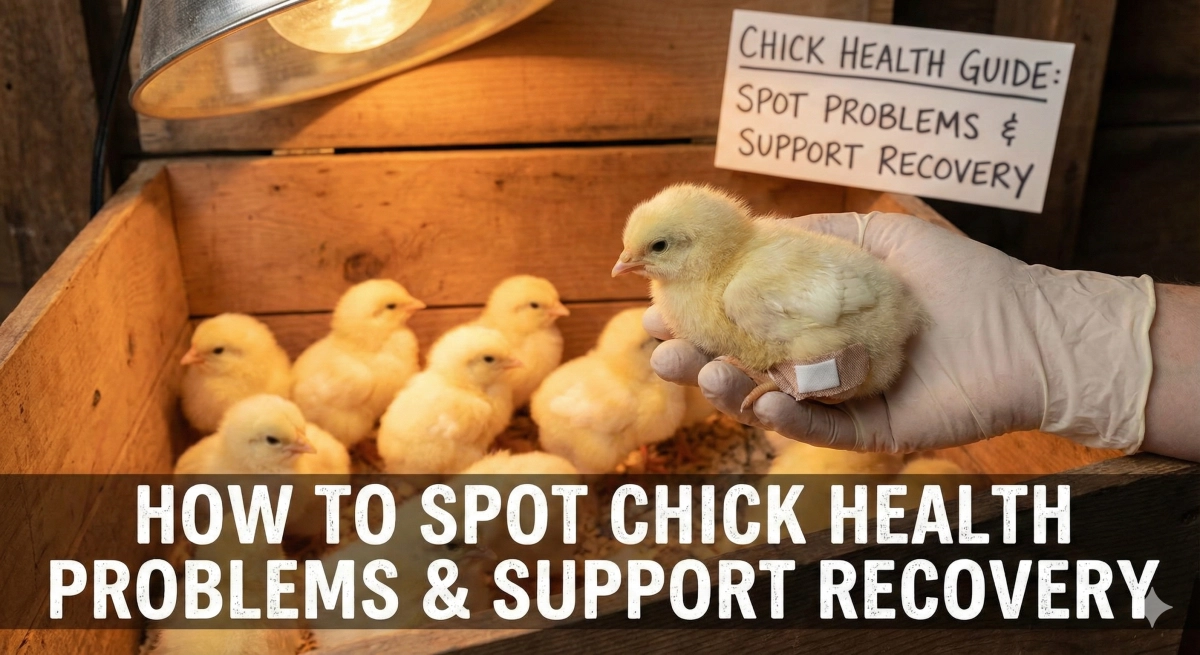
You help baby chicks grow strong. Watch them every day to find chick health problems early. Act fast if you see something wrong. Healthy chicks walk around, make soft sounds, and spread out in the brooder. Finding problems early helps more chicks live, especially in the first week.
-
Check the brooder temperature often. Wash your hands before touching chicks. Be gentle when you handle them.
If you see trouble, act quickly to stop big chick health problems. Getting help from a professional is important if you see strange symptoms.
Key Takeaways
-
Check your chicks every day for health problems. Watch for clear eyes, smooth feathers, and lots of movement.
-
Act fast if you see warning signs like tiredness, not eating, or strange droppings. Helping early can save your chicks.
-
Keep the brooder at the right temperature for your chicks’ age. This stops stress and keeps them healthy.
-
Clean the brooder often and give fresh water. This lowers the chance of diseases like pasty butt and spraddle leg.
-
Try gentle home care for small problems, but call a vet if things do not get better or get worse.
-
Look for pasty butt often, mostly in the first week. Finding it early helps you treat it well.
-
Make the brooder safe by using floors that are not slippery. This helps stop spraddle leg.
-
Write down any health problems and what you do to help. This record helps your vet if you need advice.
Spotting Chick Health Problems
Healthy Chick Signs
You want your chicks to grow strong and happy. Healthy chicks show clear signs that you can spot every day. Watch for these signs:
-
Bright, clear eyes with no swelling or discharge.
-
Smooth, shiny feathers that look neat and well-preened.
-
Wings that hang normally and flex easily.
-
Active movement between naps. Chicks walk, peck, and explore.
-
Even spread in the brooder. Chicks do not crowd together or huddle in corners.
-
Soft, quiet peeping. No loud distress calls.
-
Eating and drinking often.
-
Clean, pale yellowish-white skin with no redness or sores, especially around the vent.
-
No visible parasites on feathers or skin.
You should also check the brooder temperature and the chick’s body temperature. Use the table below to guide you:
| Age (Weeks) |
Brooder Temperature (°F) |
|---|---|
| 1 |
95 |
| 2 |
90 |
| 3 |
85 |
| 4 |
80 |
| 5-7 |
75 |
| 8 |
70 |
| 9 |
65 minimum |
During the first weeks, a chick’s body temperature rises and reaches about 106°F, which is normal for adult chickens.
Tip: If your chicks look comfortable and move around the brooder, the temperature is just right.
Warning Signs of Illness
You can spot chick health problems early if you know what to look for. Watch for these warning signs:
-
Chicks that stay puffed up, look sleepy, or keep their eyes half-closed.
-
Chicks that ignore food or water.
-
Droppings that are watery, green, foamy, or have blood.
-
Swollen bellies or vents blocked by droppings.
-
Wings that droop or do not move well.
-
Lethargy or weakness. Chicks that do not move much or fall over.
-
Noisy, distressed peeping or gasping for air.
-
Skin that looks red, irritated, or has sores.
Here is a table of common diseases and their symptoms:
| Disease |
Symptoms |
|---|---|
| Aspergillosis |
Gasping, trouble breathing, weight loss, unsteadiness, fever, tremors. |
| Coccidiosis |
Bloody feces, appetite loss, lethargy. |
| Rot Gut |
Smelly feces, diarrhea, listlessness, ruffled feathers. |
| Pasty Butt |
Feces stuck around the anus, gut impaction, constipation. |
| Mushy Chick |
Swollen belly button, tiredness. |
| Marek’s Disease |
Weight loss, tremors, paralysis, tumors. |
These disease names and symptom lists are for awareness only. Only a licensed veterinarian can confirm a diagnosis and prescribe treatment.
If you see any of these symptoms, act quickly. Some health issues need fast care to prevent serious problems.
When Home Care Is Enough
You can handle some mild chick health problems at home. Use this checklist to decide when home care is safe:
-
The chick is bright, alert, and eating or drinking.
-
Pasty butt is mild and only affects one or two chicks.
-
Spraddle leg is noticed early and the chick can still move.
-
Droppings are only a little loose after a feed change, but the chick acts normal.
-
Chilling or overheating lasted a short time and chicks bounce back after you adjust the brooder.
Note: Always keep the brooder clean and warm. Wash your hands before and after handling chicks.
If you see serious symptoms or if a chick does not improve in a day, call a vet or poultry expert. This information helps you spot problems early, but it does not replace professional care.
When to Call a Vet
You want your chicks to stay healthy. Sometimes, home care is not enough. You need to know when to call a vet or poultry expert. Quick action can save lives and stop chick health problems from spreading.
Call a vet right away if you see these urgent signs:
-
Chicks breathe with open mouths, stretch their necks, or show blue or purple combs.
-
Chicks have repeated seizures, twist their heads back, or cannot stand even with help.
-
You find deep wounds, broken legs or wings, or chicks crushed by pets or heavy objects.
-
Two or more chicks die within 24 hours and you cannot find a cause like heat or feed problems.
-
Droppings show blood or look tar-like, and chicks lose weight quickly or hunch up.
-
Pasty butt keeps coming back in several chicks, even after you clean and adjust the brooder.
-
Spraddle leg does not get better after 3–4 days of proper care.
Watch for these behavioral changes that need expert help:
-
Severe aggression or fighting in the brooder.
-
Injuries from pecking or significant feather loss.
-
Extreme stress behaviors, such as frantic running or constant loud peeping.
-
Dramatic changes in egg laying if you have older chicks.
-
Flock-wide changes, like all chicks acting sick or refusing food.
-
Persistent problematic behaviors that do not improve with home care.
�� Tip: If you feel unsure or see any of these signs, contact a vet or your local extension office. Fast help can make a big difference.
You support your chicks best when you act quickly and ask for help when needed. Professional care gives your chicks the best chance to recover from serious chick health problems.
Pasty Butt: What & How to Fix
Causes & Risk Factors
Pasty butt is a common problem in newly hatched chicks. You may notice droppings sticking to the vent, which can block the chick’s ability to pass waste. This condition often appears during the first week after hatching. If you do not treat it, pasty butt can become life-threatening.
Many things can cause pasty butt. The most common reasons include stress, temperature changes, and diet issues. Chicks shipped through the mail or exposed to cold or hot brooder conditions face higher risk. Sometimes, digestive upset from switching to solid food or infections can also lead to pasty butt.
Here is a table showing the main causes and risk factors:
| Cause/Risk Factor |
Description |
|---|---|
| Stress and being cold |
Chicks shipped or exposed to drafts may develop pasty butt. |
| Over-heating |
Heat lamps set too high can cause dehydration and pasty butt. |
| Improper diet |
Treats or snacks can upset digestion and trigger pasty butt. |
| Viral or bacterial infections |
Less common, but can cause diarrhea and pasty butt. |
| Shipping or transport |
Stress from travel increases risk. |
| Temperature extremes |
Both hot and cold brooder temperatures can lead to pasty butt. |
| Acclimation to solid food |
Digestive system adjusting from yolk to feed may cause pasty butt. |
| Coccidiosis or parasite infections |
Loose stools from illness can contribute to pasty butt. |
�� Tip: You can lower the risk by keeping the brooder at the right temperature and feeding only starter feed. Good prevention starts with a clean, warm, and stress-free environment.
How to Check for Pasty Butt
You need to check your chicks for pasty butt often, especially during the first week. Early detection helps you start treatment before symptoms get worse. Look for droppings stuck around the vent area. The vent is the opening under the tail where chicks pass waste.
Follow these steps to check for pasty butt:
-
Gently pick up each chick and look at the vent area.
-
Check for dried droppings or a hard lump blocking the vent.
-
Watch for swelling or redness around the vent.
-
Notice if the chick strains or seems uncomfortable.
Check your chicks twice a day during the first week after hatching. This routine helps you catch pasty butt early and start treatment right away.
�� Note: If you see droppings stuck to the vent, act quickly. Early prevention and gentle care can save your chick’s life.
Step-by-Step Cleaning
If you find pasty butt, you can help your chick with safe home treatment. Always use gentle methods to avoid hurting the chick. Here is a simple cleaning guide:
-
Prepare a bowl of warm water and a soft cloth or cotton ball.
-
Hold the chick gently, keeping it warm and calm.
-
Dip the cloth in warm water and softly press it against the dried droppings.
-
Wait a few seconds to let the droppings soften.
-
Wipe away the droppings with gentle strokes. Do not pull or scrub hard.
-
Dry the vent area with a clean towel.
-
Apply a thin layer of petroleum jelly around the vent to protect the skin and help with prevention.
-
Return the chick to the warm brooder right away.
�� Do NOT: Use harsh chemicals, scrape with fingernails, or leave the chick wet and cold. These actions can cause injury or stress.
Repeat this treatment if you see new droppings forming. Keep the brooder clean and at the right temperature for best prevention. If pasty butt keeps coming back or spreads to many chicks, review your brooder setup and feed. Persistent problems may signal a need for professional help.
Prevention Tips
You can lower the risk of pasty butt in your chicks by focusing on prevention every day. Good prevention starts with a clean, warm, and safe brooder. You want your chicks to stay healthy and active, so follow these steps:
Top Prevention Measures for Pasty Butt
| Preventive Measure |
Description |
|---|---|
| Maintain proper brooding temperature |
Keep the brooder at the right temperature for the first week. |
| Provide clean water |
Make sure chicks always have fresh, clean water to drink. |
| Ensure good hygiene |
Clean and dry the brooder often to stop bacteria and germs. |
| Use probiotics |
Add probiotics to water to help chicks’ digestion and gut health. |
| Provide adequate space |
Give chicks enough room to move and rest without crowding. |
| Offer balanced starter feed |
Use commercial chick starter feed for proper nutrition. |
| Keep litter dry and clean |
Change bedding often to prevent waste buildup. |
| Monitor humidity and temperature |
Check the brooder for stable conditions to avoid stress. |
You can also use these quick tips for prevention:
-
Give chicks a warm, dry, and draft-free brooder.
-
Offer a balanced starter feed and avoid treats or snacks.
-
Always provide clean, fresh water at room temperature.
-
Reduce noise and sudden changes in the brooder area.
-
Dip each chick’s beak in water when they arrive to encourage drinking.
-
Let chicks drink water before you offer feed.
-
Watch chicks closely for early signs of trouble.
�� Tip: Prevention works best when you check your chicks and brooder often. Small changes can make a big difference in chick health.
When to Worry
You need to know when pasty butt becomes a serious problem. Most cases improve with gentle cleaning and prevention, but some signs mean you should act fast or call a vet.
Watch for these warning signs:
-
The vent is completely sealed by droppings, and the chick cannot pass waste.
-
The chick’s abdomen looks swollen or feels hard.
-
The chick strains or cries after cleaning, but cannot poop.
-
Pasty butt keeps coming back in several chicks, even after you fix the brooder and feed.
-
The chick stops eating, drinking, or moving normally.
-
You see blood, green, or foamy droppings along with pasty butt.
If you notice any of these signs, contact a poultry expert or veterinarian. Fast help can save your chick’s life. You support your chicks best by acting quickly and using prevention every day.
�� Note: This advice helps you care for your chicks, but it does not replace professional veterinary care. Always ask for expert help if you feel unsure or see serious symptoms.
Spraddle Leg: Home Treatment
Causes of Spraddle Leg
Spraddle leg, sometimes called splayed leg, happens when a chick cannot keep its legs under its body. You often see this problem in the first few days after hatching. The most common causes of splay leg include slippery brooder floors, rough hatching, and poor nutrition in parent birds. Chicks need firm footing to stand and walk. If you use newspaper or plastic in the brooder, the surface becomes slick. Chicks slip and their legs spread out to the sides. This can lead to spraddle leg.
Other causes include high humidity or temperature changes during incubation, a difficult hatch, or injury from being crushed by other chicks. Sometimes, a lack of vitamins like B, manganese, or zinc in the parent birds’ diet makes chicks more likely to develop spraddle leg.
Main causes of spraddle leg:
-
Slick or slippery brooder flooring (like newspaper or plastic)
-
High humidity or temperature swings during incubation
-
Poor nutrition in parent birds (especially vitamin B, manganese, choline, zinc)
-
Difficult or rough hatching
-
Injury or being crushed by hatch mates
Tip: Use bedding like wood shavings or grass hay to give chicks good traction and prevent spraddle leg.
How to Identify Spraddle Leg
You can spot spraddle leg by watching how your chick moves. A chick with splayed leg will rest on its belly with one or both legs sticking out to the sides. The feet point sideways instead of forward. The chick struggles to stand or walk. You may notice the chick scooting or sliding instead of walking upright.
Signs of spraddle leg:
-
Legs splayed out to the sides, not under the body
-
Feet pointing sideways
-
Chick cannot stand or walk normally
-
Chick rests on its belly, often unable to reach food or water easily
If you see these signs, start treatment right away. Early help gives your chick the best chance to recover.
Making a Safe Hobble
You can help a chick with spraddle leg by making a soft hobble. This simple bandage holds the legs in the right position so the chick can learn to stand and walk. Always use gentle materials and check the hobble often.
How to make a safe hobble:
-
Gather vet wrap or a soft bandage and scissors.
-
Cut two strips about 1 inch long and ¼ inch wide.
-
Wrap one strip gently around each leg, just above the foot. Make sure it is snug but not tight.
-
Cut a longer strip (about 2 inches) and use it to connect the two leg wraps. Position the legs hip-width apart, with toes pointing forward.
-
Make sure the sticky side does not touch the chick’s skin. Cover it if needed.
-
Place the chick back in the brooder. Make sure it can reach food and water.
-
Check the hobble every day. Adjust as the chick grows. Remove the hobble 24 hours after the chick starts walking normally.
Note: Most chicks improve within 2–4 days if you start treatment early. Some severe or long-standing cases may not fully recover. Always ask a vet for advice if you feel unsure.
Brooder Setup for Recovery
You can help a chick with spraddle leg recover faster by making a few changes to the brooder. The right setup gives your chick the best chance to stand and walk again. Start by checking the floor of your brooder. Chicks with splayed leg need a surface that gives them good grip.
Choose the right brooder flooring:
-
Use paper towels, puppy pads, pine shavings, or rubber shelf liner. These materials give your chick traction and help prevent slipping.
-
Avoid newspaper, plastic, or any smooth surface. These can make splayed leg worse.
-
Make sure the floor stays dry and clean. Wet bedding can be slippery and unhealthy.
Set up the brooder for easy access:
-
Place food and water close to the chick. Chicks with spraddle leg may have trouble reaching far.
-
Use shallow dishes so the chick does not have to climb or stretch.
-
Keep the brooder warm. Check the temperature often to make sure it matches the chick’s age.
-
Give the chick enough space to move but not so much that it struggles to reach food or water.
�� Tip: Watch your chick after you change the brooder. If it moves better and tries to stand, you are on the right track.
Daily care checklist for recovery:
-
Check the hobble and adjust if needed.
-
Watch for signs of pain or swelling in the legs.
-
Clean the brooder and change bedding as needed.
-
Make sure the chick eats and drinks every few hours.
-
Gently help the chick practice standing if it struggles.
A good brooder setup supports the chick’s legs and helps it learn to walk. Most chicks with spraddle leg improve within a few days if you act early and keep the brooder safe.
When Recovery Is Unlikely
Sometimes, even with the best care, a chick with splayed leg does not recover. You may notice that the chick cannot stand or walk after several days of treatment. The legs may stay out to the sides, or the chick may seem weak and tired.
Signs that recovery is unlikely:
-
No improvement after 3–4 days of using a hobble and non-slip flooring.
-
The chick cannot move its legs under its body at all.
-
Toes feel cold or look pale, showing poor blood flow.
-
The chick stops eating or drinking, or loses weight.
-
The chick seems in pain or cries often.
If you see these signs, talk to a veterinarian or poultry expert. Sometimes, severe spraddle leg or splayed leg comes from birth defects or injuries that cannot heal at home. A professional can help you decide the best next steps for your chick.
⚠️ Note: Home care helps many chicks, but it does not replace expert advice. Always ask for help if you feel unsure or if your chick does not get better.
Common Baby Chick Health Issues: Emergencies
Dehydration Signs & Fixes
Dehydration is one of the most common baby chick health issues you may face, especially if your basic hatching supplies and brooder setup are not quite right. Chicks can become dehydrated quickly, especially if the brooder is too hot or if they cannot reach water. You should check your chicks often for these signs:
-
Sunken or dull eyes
-
Dry or wrinkled skin, especially on the legs
-
Fluffed-up feathers and a tired look
-
Lethargy or weakness
-
Heavy breathing
-
Crop feels empty or only has dry feed
If you see these signs, act right away:
-
Offer lukewarm water with a poultry electrolyte mix or a teaspoon of sugar per quart.
-
Gently dip the tip of the chick’s beak in the water to show them how to drink.
-
Lower the brooder temperature if it feels too hot.
-
Move weak chicks to a quiet, warm spot.
-
Call a poultry vet if the chick does not improve after a few hours.
�� Tip: Always keep clean, shallow water in the brooder. Check waterers often to make sure they have not tipped over.
Chilling & Overheating
Chilling and overheating can cause serious problems for baby chicks. You must keep the brooder at the right temperature for each week of life. Use this schedule as a guide:
| Week |
Brooder Temperature (°F) |
|---|---|
| 1 |
95 |
| 2 |
90 |
| 3 |
85 |
| 4 |
80 |
| 5 |
75 |
| 6 |
70 |
Signs of chilling:
-
Huddling together under the heat source
-
Loud, distressed peeping
-
Cold feet and slow movement
Signs of overheating:
-
Panting or open-mouth breathing
-
Wings held away from the body
-
Lethargy and moving less
-
Chicks spread out far from the heat source
If you notice these signs:
-
Adjust the heat lamp or brooder plate to reach the right temperature.
-
Move the heat source higher or lower as needed.
-
Give chicks time to recover and watch for improvement.
-
Always check the temperature at chick height, not just room air.
⚠️ Note: Sudden changes in temperature can stress chicks. Make adjustments slowly and watch their behavior.
Digestive Upset & Coccidiosis
Digestive problems are also common baby chick health issues. You may see diarrhea, watery droppings, or blood in the stool. Coccidiosis is a serious disease that can spread quickly in young chicks.
Watch for these symptoms:
-
Hunched posture and ruffled feathers
-
Bloody or watery droppings
-
Loss of appetite
-
Lethargy or depression
-
Pale combs and wattles
-
Poor growth
If you suspect coccidiosis:
-
Separate sick chicks from the rest of the flock.
-
Keep the brooder clean and dry.
-
Offer water with electrolytes.
-
Contact a poultry vet about starting an anticoccidial medication like Amprolium.
-
Avoid using home remedies alone for severe cases.
�� Callout: Fast action can save your chicks. Always ask a vet for help if you see blood in droppings or if chicks get worse.
You can prevent many emergencies by checking your chicks daily, keeping the brooder clean, and adjusting the temperature as they grow. Remember, this advice supports your care but does not replace professional veterinary help.
When to Seek Help
You want to do everything you can for your chicks at home. Sometimes, you need to call a professional for help. Knowing when to seek help can save lives and prevent bigger problems. Here is a simple guide to help you decide when to reach out.
Call a vet or poultry expert if you notice:
-
Chicks that cannot stand, breathe, or eat after you try home care.
-
Blood in droppings, repeated diarrhea, or signs of coccidiosis.
-
Two or more chicks dying within 24 hours without a clear cause.
-
Severe injuries, broken bones, or deep wounds.
-
Chicks that do not improve after you fix temperature, water, or feed issues.
-
Pasty butt or spraddle leg that does not get better after several days of care.
�� Tip: Trust your instincts. If you feel worried or unsure, it is always better to ask for help.
You should prepare before an emergency happens. Find a local vet who sees poultry. Not all animal clinics treat birds. Some clinics only see dogs and cats. Build a relationship with a vet before you need one. This step helps you get fast help during emergencies.
It helps to find a clinic that is willing and properly equipped to see birds, including after-hours if possible. Try to build a relationship with a poultry-friendly veterinarian before you have an emergency, because many general pet clinics and ER practices are not familiar with chickens.
If you cannot find a poultry vet nearby, look for an avian specialist. Some vets have extra training in bird medicine and may work in larger cities or at universities. Professional veterinary associations in your country often list specialists by region.
Although board-certified avian veterinarians can be hard to find, it is worth checking whether there is one within driving distance of your home. Specialist listings from veterinary boards and associations can help you locate someone with extra training in bird care.
When you need advice, use trusted sources. Avoid relying only on random online forums. Information from strangers may not be safe or correct.
When you are trying to work out what is wrong with a chick, lean on reliable sources such as veterinarians, extension services, or established poultry health references rather than unverified social media posts or forums.
You can handle many common baby chick health issues at home with good care and quick action. Some problems need expert help. Always keep emergency contact numbers handy. Write down your vet’s phone number and address near your brooder. This step saves time when every minute counts.
Remember, this guide helps you spot and manage common baby chick health issues, but it does not replace professional veterinary care. When in doubt, reach out for help. Your chicks depend on you to make the best choices for their health.
Hygiene & Human Safety
Keeping your chicken brooder clean protects both your flock and your family. Chicks and chickens can carry germs like Salmonella, even when they look healthy. Good hygiene helps you prevent illness and keeps everyone safe.
Hand-Washing & Brooder Cleaning
You should always wash your hands after handling any chick or chicken. Germs can spread quickly from birds to people. Follow these steps for proper hand-washing:
-
Wet your hands with running water.
-
Apply soap and lather well.
-
Scrub all parts of your hands for at least 20 seconds.
-
Rinse thoroughly.
-
Use a paper towel to turn off the faucet and dry your hands.
Set up a hand-washing station near your chicken area. Make sure everyone who visits the brooder uses it. If you cannot wash with soap and water, use an alcohol-based hand sanitizer.
For brooder cleaning, follow these chicken health tips:
-
Clean and dry the brooder often.
-
Remove dirty bedding and replace it with fresh material.
-
Disinfect feeders and waterers regularly.
-
Keep the brooder separate from mature chickens.
-
Change your clothes and shoes if you visit other flocks.
�� Tip: Always wash your hands before and after you handle chicks or clean the brooder.
Protecting Family Members
Some people have a higher risk of getting sick from chickens, especially young children, pregnant people, older adults, and anyone with a weak immune system. You can protect your family by following these simple rules:
-
Never eat, drink, or put anything in your mouth while handling chickens or chicks.
-
Do not eat or drink in the brooder area.
-
Supervise children under five when they play with chicks or chickens.
-
Wash everyone’s hands with soap and water after touching birds or their environment.
-
Minimize contact with any chicken that has diarrhea.
-
Keep the brooder away from kitchens and dining areas.
�� Note: Young children are more likely to get sick from Salmonella. Always watch them closely around chicks.
Record-Keeping for Sick Chicks
Good records help you track chicken health and spot problems early. If a chick gets sick, write down the symptoms, when they started, and what care you gave. This information helps your vet give better advice.
Use this checklist for record-keeping:
-
Date and time you noticed the problem.
-
Description of symptoms (for example, droopy wings, pasty butt, or trouble walking).
-
Actions you took (cleaning, moving the chick, giving water).
-
Changes in feed, temperature, or brooder setup.
-
Any advice or medicine from your vet.
Keep your notes in a notebook or on your phone. Share them with your vet if you need help. Good records make it easier to keep your chickens healthy and prevent future problems.
�� Tip: Write down any changes in your chicken flock, such as new birds or changes in feed. This helps you spot patterns and keep everyone safe.
Quick Triage & Reference Card
When you care for baby chicks, quick decisions can make a big difference. Use this triage and reference card to help you spot chick health problems and know what to do next. If you are brand new to hatching, our Beginner Guide walks you through the full process step by step.
This guide gives you clear steps for home care and helps you decide when to call a vet. Always remember, this information supports your care but does not replace professional advice.
Triage Checklist
You can use this checklist every day to catch problems early. If you see any warning signs, act fast.
-
Check each chick twice a day.
-
Look at eyes, feathers, vent, and legs.
-
-
Watch for changes in behavior.
-
Are chicks eating, drinking, and moving normally?
-
-
Look for signs of distress.
-
Listen for loud peeping or see if chicks huddle or spread out too much.
-
-
Inspect droppings.
-
Are they normal, or do you see blood, green, or foamy droppings?
-
-
Feel the brooder temperature.
-
Is it warm but not too hot or cold at chick height?
-
-
Check for injuries or leg problems.
-
Do any chicks limp, splay their legs, or have trouble standing?
-
�� Tip: Write down any changes or problems you see. Good notes help you track progress and share details with your vet if needed.
Reference Card: Vitals & Red Flags
You can use this quick table to decide what to do when you spot a problem. It helps you choose the right first step and know when to seek expert help.
| What you see |
Most likely cause |
First at-home step |
Vet? |
|---|---|---|---|
| Pasty droppings on vent |
Pasty butt |
Gently clean, apply petroleum jelly |
If severe or repeats |
| Chick cannot stand, legs splayed |
Spraddle leg |
Add non-slip floor, use soft hobble |
If no improvement in 3 days |
| Bloody or tar-like droppings |
Coccidiosis |
Separate chick, give electrolytes |
Yes, urgent |
| Chicks huddling, loud peeping |
Chilling |
Raise brooder temp, dry bedding |
If no improvement |
| Panting, wings out, spread apart |
Overheating |
Lower brooder temp, fresh water |
If collapse or no recovery |
| Lethargy, sunken eyes, dry mouth |
Dehydration |
Offer lukewarm water, electrolytes |
If cannot swallow or worsens |
⚠️ Alert: If you see severe breathing trouble, repeated seizures, or rapid chick losses, call a vet right away.
Normal chick vitals:
-
Brooder temp: 95°F (week 1), drop by 5°F each week
-
Chick body temp: 104–106°F
-
Behavior: Active, eating, drinking, quiet peeping
You can handle many chick health problems at home with early detection and simple treatment. If you feel unsure or see red flags, always reach out to a poultry vet. Your quick action and good records give your chicks the best chance to thrive.
You help baby chicks stay healthy when you spot chick health problems early. Gentle home care supports each chick and prevents bigger issues. Use the quick reference card and triage checklist for fast action. Keep the brooder clean and wash your hands to protect both chicks and your family. Most chick health problems can be managed at home. Always call a vet for emergencies or if a chick does not improve.
-
Watch for chick health problems every day and use our incubation guides to double-check your setup.
-
Act quickly using your checklist.
-
Keep hygiene a top priority.
-
Seek expert help when needed.
Remember, this guide supports your care but does not replace professional advice.
FAQ
What should I do if my chick has pasty butt again after cleaning?
Check the brooder temperature and feed. Clean the vent gently. Apply a thin layer of petroleum jelly. Watch for other symptoms. If pasty butt keeps coming back or spreads to more chicks, call a poultry vet for advice.
How can I prevent spraddle leg in new chicks?
Use non-slip flooring like paper towels or rubber shelf liner. Avoid newspaper or plastic. Give chicks enough space. Check chicks daily for leg problems. Start treatment right away if you see signs of spraddle leg.
When should I call a vet for a sick chick?
Call a vet if a chick cannot stand, breathe, or eat. Seek help for blood in droppings, repeated diarrhea, or injuries. If two or more chicks die within 24 hours, contact a poultry expert right away.
How often should I check my chicks for health problems?
Check your chicks at least twice a day. Look for changes in behavior, droppings, and appearance. Early checks help you spot problems before they get worse.
Can I use home remedies for chick health problems?
You can use gentle home care for mild issues like pasty butt or early spraddle leg. For serious symptoms or if a chick does not improve, always contact a poultry vet. Home remedies do not replace professional care.
What is the best way to keep the brooder clean?
Remove dirty bedding daily. Wash feeders and waterers with soap and water. Disinfect the brooder weekly. Keep food and water fresh. Good hygiene helps prevent many chick health problems.
Are chicks safe for children to handle?
Children can handle chicks with adult supervision. Make sure everyone washes hands with soap and water after touching chicks. Do not let children kiss chicks or put their hands near their mouths.
What should I do if my chick looks cold or overheated?
If chicks huddle together and peep loudly, raise the brooder temperature. If chicks pant or spread out, lower the heat. Adjust the brooder slowly. Watch for improvement. If chicks do not recover, call a vet.
Data authenticity note: The brooder temperatures, chick body temperature ranges, symptom lists, and home-care steps in this guide are based on a blend of small-flock poultry care handbooks, hatchery and brooder equipment manuals, poultry health reference texts, and aggregated notes from backyard and classroom chick projects. They reflect common industry practice but cannot replace diagnosis or treatment from a licensed veterinarian in your area.:contentReference[oaicite:0]{index=0}
References (no external links)
-
Backyard and small-flock poultry health guides describing chick brooding temperatures, early-life diseases, and first-aid routines.
-
Incubator and brooder equipment manuals outlining manufacturer-recommended temperature, hygiene, and safety directions for young chicks.
-
Introductory poultry medicine references covering conditions such as coccidiosis, respiratory disease, spraddle leg, and other early chick problems.
-
Poultry education and extension materials on flock biosecurity, sanitation, and human health risks associated with handling chicks and chickens.
-
Multi-season brooder and hatch logs from small-flock keepers tracking daily checks, treatments, and recovery outcomes in baby chicks.
0 Comments