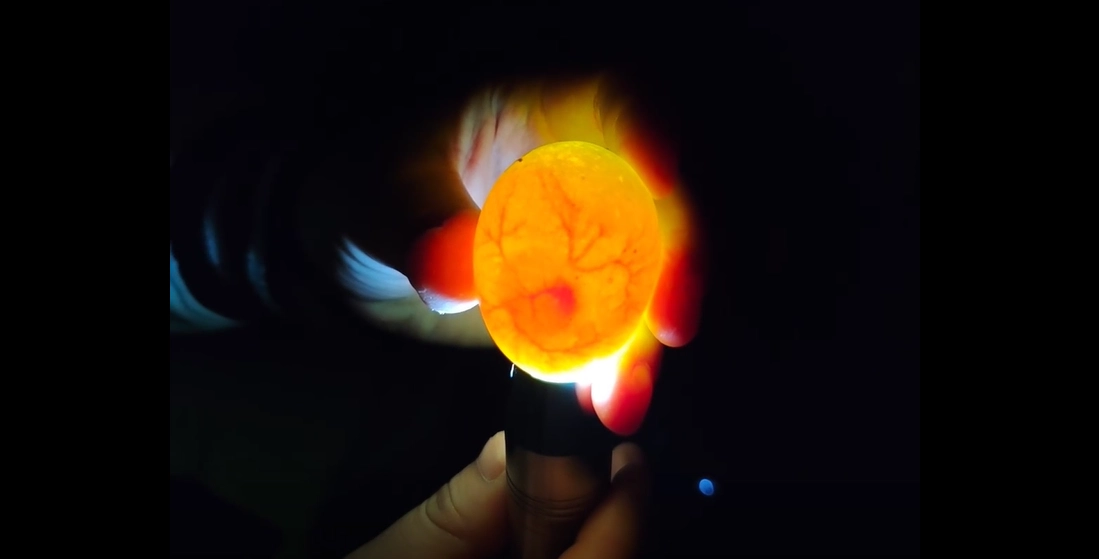
Wondering how to tell if a pigeon egg is fertile? Guessing at a bright shell wastes days, lowers hatch rates, and can even leave dangerous exploders in your incubator. This guide gives you a simple, low-stress routine: candle briefly in a dark room on Days 5–7 to spot spider-web veins, recheck on Day 14 to confirm growth, and remove non-viable eggs before they endanger the clutch. You’ll get the exact tools, safe-handling steps, clear visuals for fertile vs. clear vs. blood ring, plus biosecurity and US/UK legal notes—so you can make the right call, fast.
TL;DR (30-second checklist)
-
When: Days 5–7 first check → Day 14 decisive recheck → avoid routine candling in the last 2–3 days.
-
What to see:
-
Fertile/viable: veins, then growing dark shadow/movement, air cell enlarges.
-
Infertile/early dead: clear (no veins) or blood ring.
-
-
How to do it: Dark room, bright LED, ≤ 60–90 s/egg, air-cell up, gentle handling, log results.
-
Next step: Remove clear or blood-ring eggs early to reduce bacteria and exploders.
What You’ll Need (tools & environment)
Light & gear
-
Bright LED candler or tight-beam flashlight/torch
-
Timer to cap viewing time
-
Soft pad to prevent slipping
-
Clean, dry hands or gloves; alcohol wipes for quick sanitizing
-
Pencil for shell marks (never ink)
Want the right capacity and an easy setup? Browse our pigeon egg incubators
Room setup
-
Work in a darkened room beside the incubator.
-
Cycle quickly: open → take one egg → close → candle → replace.
Handling rules
-
Keep it ≤ 60–90 seconds per egg.
-
Hold the blunt end (air cell) to the light, tilt slightly, rotate slowly.
-
Record the day and what you saw.
When to Check (timeline)
Day 5–7 — first reliable window
You can usually separate fertile vs. clear now. Look for fine red veins radiating from a central point. A clear egg stays uniformly translucent with no veins.
Day 10–12 — optional mid-course look
Development should be obvious: the dark area expands, a flicker of embryo movement may be visible, and the air cell is slightly larger.
Day 14 — decisive recheck
Most of the interior appears dark; the air cell at the blunt end is the main bright zone. Cull any eggs that remain clear or show a blood ring.
Pre-hatch (last 2–3 days) — minimize disturbance
Chicks are positioning for piping; avoid routine candling unless troubleshooting.
How to Candle Safely (step-by-step)
1) Prep
Wash/dry hands or wear gloves. Prepare a simple log: date · egg mark · result · notes. Use a pencil to mark shells (A/B/C…).
2) Position
Hold with the air cell to the light. Tilt 15–30° and rotate to scan the interior—no shaking.
3) Observe
Look for spider-web veins, a dark embryo shadow, any movement, air-cell size/shape, plus cracks, seepage, stains.
4) Record
Write objective notes. If unsure at Day 5–7, mark recheck and look again on Day 10–14 before deciding.
What a Fertile Pigeon Egg Looks Like
Day 5–7
-
Clear, branching veins from a small darker spot.
-
The egg is no longer uniformly translucent.
Day 10–12
-
The shadow grows; movement may appear at the edge of the dark zone.
-
The air cell enlarges at the blunt end.
Day 14
-
Most of the egg is dark; the air cell is obvious; movement may still be seen along the border.
Air cell & humidity (quick note)
Across poultry, the air cell enlarges as moisture leaves the egg. A total weight-loss target ≈ 11–13% through incubation typically produces a healthy air cell; big deviations suggest humidity adjustments.
What an Infertile or Early-Dead Egg Looks Like
Clear egg (infertile)
-
Uniformly translucent, no veins at Day 5–7 and still clear at Day 10–14 → remove.
Blood ring (early death)
-
A distinct red ring around the inner shell surface → remove to protect the rest.
Late-dead signs
-
No movement late, odor, weeping or hairline cracks, odd air cell → treat as non-viable and remove.
Biosecurity & Next Steps
Why removal matters
Non-viable eggs can rot, leak, or explode, spreading bacteria and dragging down hatch rates.
How to remove & dispose
-
Work swiftly. Lights off → lift the egg → seal & discard per local rules (or consult your vet).
-
Sanitize trays and hands before continuing.
Preventing exploders
-
Make Day 14 your decisive cull point.
-
Keep the incubator clean, manage humidity/ventilation, and avoid long open-lid sessions.
Scaling up with tidy handling and less lid time? Try an automatic egg incubator with 3 trays to keep batches organized and easy to candle.
Legal & Ethical Notes (US, UK/EU)
United States
The Migratory Bird Treaty Act (MBTA) protects most native wild birds, nests, and eggs. Domestic pigeons/rock pigeons (introduced) are generally not covered, but state/local rules may apply. This guide addresses legally kept domestic pigeons only.
United Kingdom / European Union
Under the Wildlife and Countryside Act 1981, it is illegal to take, damage, or possess wild birds’ eggs without a licence. This guidance applies to domestic pigeons kept legally.
Troubleshooting & FAQs
Is the float test reliable?
No for fertility/viability. It’s a rough freshness/density check and can mislead. Prefer candling.
Will candling harm the embryo?
Brief candling with a bright LED in a dark room does not harm embryos when kept short and gentle.
Phone light vs. candler?
A phone/flashlight can work, but a purpose-built candler gives a brighter, tighter beam with minimal heat—easier to see veins and the air cell.
Can’t see veins at Day 7?
Recheck at Day 10–14. Still clear? Treat as infertile/early dead and remove.
Thick/pigmented shells reduce visibility?
Use a stronger, tighter beam; you may need a few extra seconds, but still keep within ≤ 60–90 s.
Printables & Further Reading
-
Candling checklist (one page): tools · steps · safety · result codes.
-
Day-by-day card: what to expect on Days 5–7 / 10–12 / 14.
-
For temps, humidity, and timing from setup to hatch, see our Hatching Pigeon Eggs Guide
Conclusion
To confidently decide how to tell if a pigeon egg is fertile, follow a two-checkpoint routine: Days 5–7 for first veins, Day 14 to confirm growth and remove non-viable eggs. Keep candling brief, handle gently, and maintain a stable incubator. Early, informed decisions protect the clutch—and raise your hatch success.
0 Comments